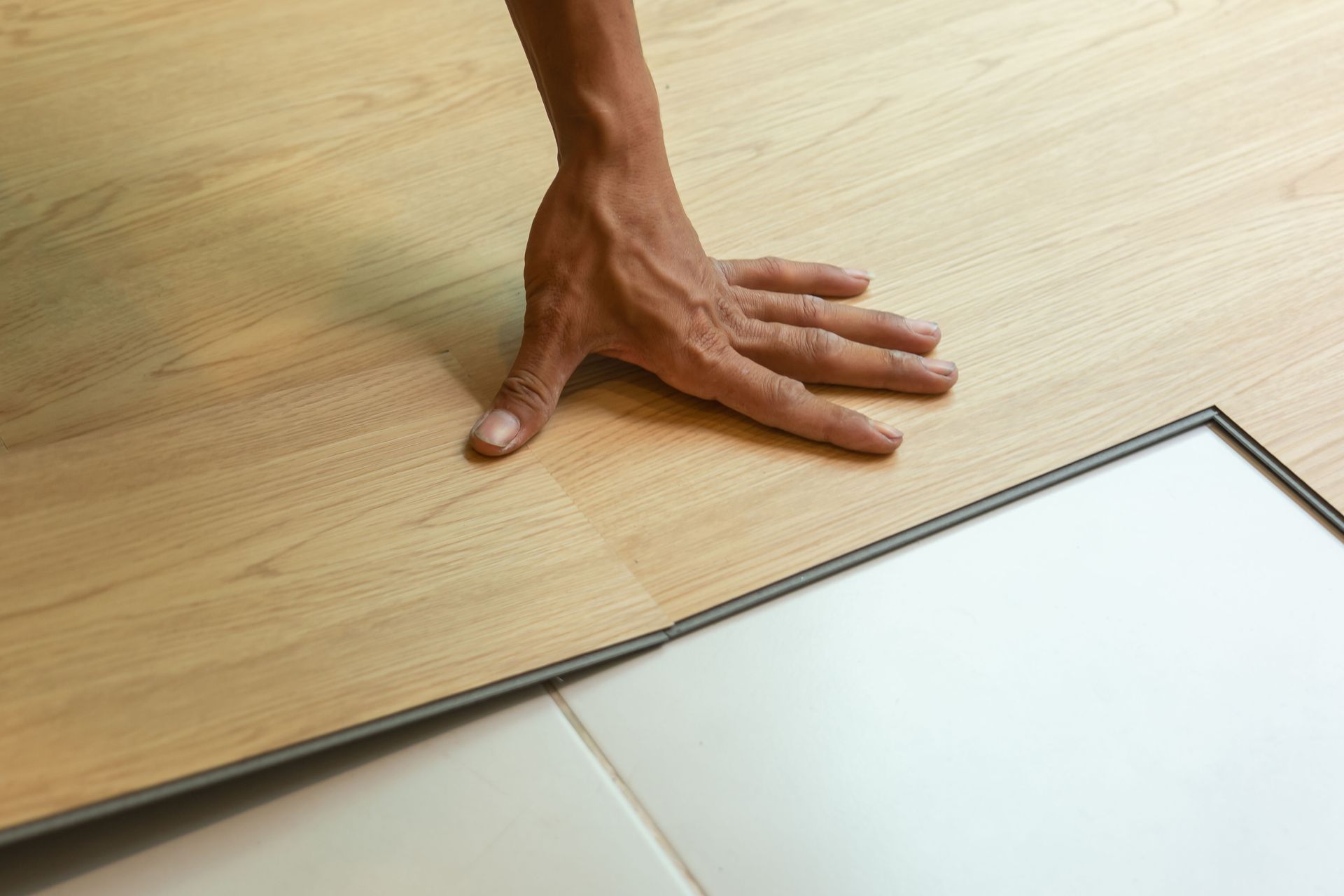
Selecting the correct foundation for a room requires careful consideration of materials and application techniques. Among modern options, luxury vinyl plank flooring stands out due to its durability and aesthetic appeal. This material mimics natural wood or stone while offering significant resistance to moisture and daily wear. Choosing the correct aesthetic represents a minor portion of the overall decision. The application technique determines the long-term performance and stability of the floor.
Proper application ensures the material withstands heavy foot traffic and environmental shifts. Individuals must evaluate structural requirements, subfloor conditions, and environmental factors before making a final choice. The right technique prevents shifting, buckling, or premature damage. Understanding the distinction between available techniques empowers homeowners to make informed choices. The decision between different application techniques dictates the lifespan and structural integrity of luxury vinyl plank flooring.
Understanding the Floating Installation Process
According to This Old House, there are two main installation methods for luxury vinyl flooring: glue-down installation and click-and-lock floating installation. The floating approach involves connecting individual planks through an interlocking mechanism. The pieces rest on top of the subfloor without adhesive. The interlocking edges create a continuous, unified surface. The weight of the assembled planks keeps the entire structure stable and secure across the room.
This particular technique demands a level and smooth subfloor to prevent instability. Imperfections beneath the surface cause the planks to bend or disconnect under pressure. An underlayment sits between the subfloor and the visible planks to provide cushioning and sound reduction. The underlayment smooths minor subfloor irregularities. The interlocking mechanism relies on this supportive base to maintain a strong connection between the individual planks.
The floating method allows for natural expansion and contraction of the material. Temperature shifts and humidity variations cause building materials to change size. Leaving a small gap around the perimeter of the room accommodates this natural movement. Baseboards or molding cover the perimeter gap, ensuring a seamless appearance. This flexibility prevents the planks from buckling or snapping when environmental conditions change throughout the shifting seasons.
Removing and replacing individual pieces becomes a straightforward task with this application technique. Damage to a specific section requires unlocking the planks from the wall in the affected area. Installers remove the compromised piece and insert a replacement before locking the surrounding planks back into position. This modular characteristic appeals to individuals seeking flexible home improvement solutions. The floating process simplifies long-term maintenance and structural repairs.
Exploring the Glue-Down Installation Approach
The glue-down technique binds luxury vinyl plank flooring to the subfloor using a strong adhesive. This method creates a permanent bond between the material and the foundation of the building. The adhesive requires precise application to ensure an even and secure hold. Installers spread the adhesive across the subfloor before pressing each plank into place. The bond strengthens over time, creating an immovable surface.
Subfloor preparation plays a critical role in the success of the adhesive bond. The surface beneath the planks must be clean, dry, and free from debris or old adhesive residue. Dirt or unevenness disrupts the bond and causes visible imperfections on the surface. Installers spend extensive time patching cracks and leveling the subfloor. A flawless foundation guarantees the adhesive functions with maximum efficacy.
The permanent bond prevents vertical movement or shifting of the planks. Heavy objects, rolling loads, and intense foot traffic exert immense pressure on flooring surfaces. The glue-down method resists this pressure, keeping the planks stationary and secure. Wheelchairs, heavy furniture, and commercial equipment glide across the surface without causing the planks to separate. This unyielding stability defines the main advantage of the adhesive application technique.
The permanent nature of the adhesive makes future removal a labor-intensive endeavor. Replacing the floor requires scraping the planks and the adhesive off the subfloor. The process generates debris and demands massive physical effort to restore the subfloor to a usable condition. Removing damaged sections requires cutting out the specific piece and scraping the underlying adhesive. The permanence of the bond dictates a long-term commitment to the chosen material.
Assessing the Benefits of Available Techniques
Each approach offers distinct advantages for different environments. The floating method reduces labor time and initial application costs. Installers complete the process without waiting for adhesives to cure or dry. The absence of adhesive eliminates noxious fumes and messy clean-up procedures. This efficiency attracts individuals working with strict timelines or limited budgets. The interlocking planks provide an accessible route to updated aesthetics without complex construction requirements.
In contrast, the glue-down approach delivers unmatched durability in demanding environments. The adhesive secures the planks against intense shear forces and heavy rolling loads. The bonded surface minimizes hollow sounds when individuals walk across the room. Acoustic performance improves because the material sits flush against the subfloor. The firm attachment creates a solid, robust feel underfoot that mimics traditional hardwood or stone installations with stunning accuracy.
Environmental factors influence the effectiveness of each technique. Rooms with significant temperature fluctuations benefit from the flexibility of interlocking planks. The material expands and contracts without breaking the structural bonds. Sunrooms or areas lacking climate control present challenges for adhesives, which degrade under extreme heat. The interlocking mechanism accommodates thermal expansion while maintaining a unified surface. The floating technique adapts to changing environmental conditions with ease.
Areas with massive floor plans require the stability of the adhesive method. Expansive rooms face challenges with interlocking planks, as the accumulated weight and expansion cause the center to buckle. Adhesives anchor the material across vast areas without requiring transition strips or expansion joints in the middle of the room. The glue-down method maintains luxury vinyl plank flooring in perfect alignment across warehouses, open-concept homes, and retail spaces.
Determining the Right Fit for Various Spaces
Residential living rooms and bedrooms utilize the interlocking technique. These spaces experience moderate foot traffic and minimal heavy rolling loads. Homeowners appreciate the softer feel underfoot provided by the underlayment. The interlocking method allows for effortless updates when design preferences change. The reduced labor requirements make this technique appealing for standard residential applications. The floating method serves typical household needs with immense efficiency.
Bathrooms and kitchens require careful consideration of moisture exposure. While luxury vinyl plank flooring resists water, the application technique determines moisture penetration. Adhesives create a seal that prevents water from reaching the subfloor. Spills and standing water remain on the surface for effortless removal. Interlocking planks allow water to seep through the seams. The adhesive method provides superior protection in environments prone to spills.
Commercial environments demand the structural rigidity of the adhesive application. Restaurants, retail stores, and office buildings experience relentless foot traffic and rolling equipment. Interlocking planks separate or break under this constant stress. Adhesives ensure the floor remains intact and safe for employees and patrons. The permanent bond withstands the rigorous demands of commercial operations without requiring constant repairs. The glue-down method dominates the commercial building sector.
Basements present unique challenges due to ground moisture and uneven concrete subfloors. Interlocking planks with a vapor barrier underlayment handle minor concrete imperfections and block moisture from entering the living space. Adhesives struggle to bond with concrete emitting moisture. The vapor barrier protects the interlocking planks from beneath, creating a dry and stable surface. The floating method resolves the specific environmental challenges found in below-grade spaces.
Selecting the appropriate application method dictates the long-term success of the project. Individuals must analyze the specific demands of the room, including foot traffic, moisture levels, and subfloor conditions. The interlocking method provides flexibility, ease of repair, and adaptation to temperature changes. The adhesive method delivers permanent stability, acoustic benefits, and resistance to heavy loads. Evaluating these factors ensures the luxury vinyl plank flooring performs to expectations. When you are ready to transform your space with
luxury vinyl plank flooring, reach out to us at Yates Flooring LLC. We look forward to helping you achieve the perfect foundation for your home.